



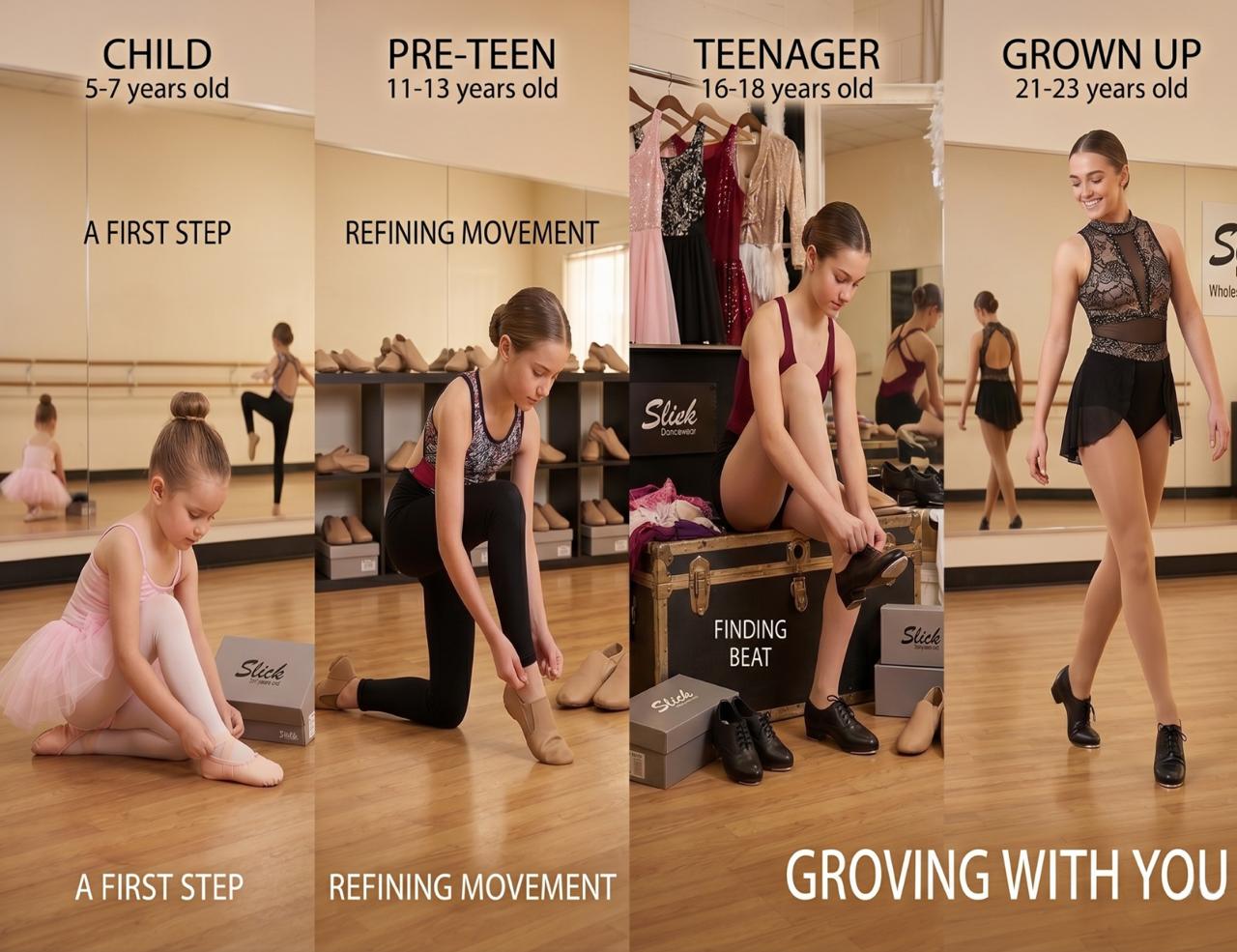
For many parents, buying dance footwear starts as a practical task. Shoes are required for class, sizes change quickly, and costs can add up over a season.
What is less obvious is how much footwear can influence a dancer’s training experience.
The right shoe does more than meet uniform requirements. It affects comfort, durability, and how easily a dancer can learn and repeat movement.
Not all dance shoes perform the same
At first glance, many dance shoes look similar. They sit within the same categories and follow similar styling.
The difference becomes clear with use.
Lower quality footwear can lose shape, soften too quickly, or respond inconsistently under pressure. This leads to common issues:
- Reduced support during longer classes
- Difficulty maintaining control in movement
- Inconsistent sound in tap
- Shorter product lifespan
Over time, this often results in more frequent replacement, increasing overall cost.
Why durability matters
Dance training is repetitive by nature. Movements are practised repeatedly to build strength, coordination, and control.
Footwear needs to handle that repetition.
Durable construction helps shoes maintain their structure across a full term or season. This supports more consistent training and reduces the need for early replacement.
For parents, this translates into better value over time, even if the initial purchase price is higher.
Fit and consistency in the studio
Many Australian studios now recommend a single footwear brand to maintain consistency across classes.
This is not about brand preference. It is about reducing variability.
When dancers wear footwear that responds in a similar way:
- Teachers can focus on technique rather than correcting avoidable issues
- Sound and movement quality remain consistent across the group
- Students progress with fewer interruptions
If a studio provides a recommended footwear list or preferred supplier, following that guidance typically leads to a smoother experience for both dancer and teacher.
Understanding tap shoes in particular
Tap shoes highlight why construction matters.
A tap shoe is designed to produce sound, so small differences in build can have a noticeable impact. Plate attachment, material quality, and overall construction all influence clarity and control.
Shoes that produce clean, consistent sound help dancers understand timing and rhythm more easily. This supports confidence in both class and performance.
Fewer replacements, better value
It is easy to focus on upfront cost when comparing options. The more relevant question is how long the shoe will last and how well it performs during that time.
Shoes that maintain their structure and response typically last longer and reduce the need for multiple replacements within a year.
For families with ongoing training commitments, this can make a meaningful difference in overall spend.
Supporting your child’s training
Dance footwear should support the work happening in the studio, not create additional challenges.
When shoes are comfortable, durable, and consistent, dancers can focus on learning rather than adjusting. This leads to:
- More effective training sessions
- Improved confidence
- A better overall experience
For parents, choosing well made, purpose built footwear is one of the simplest ways to support progress.


